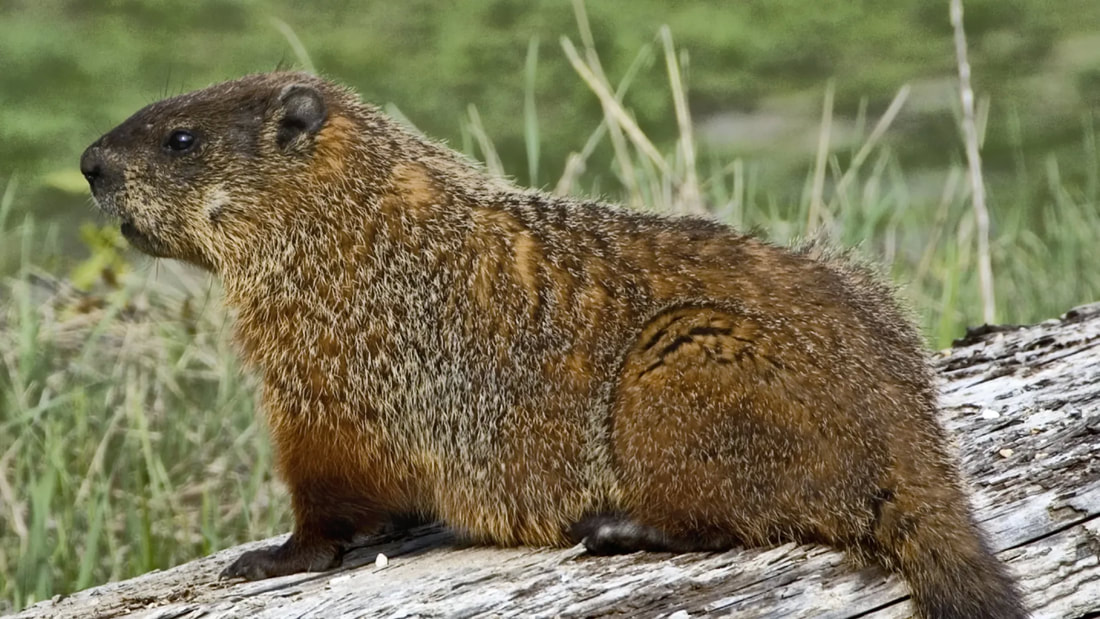
 Woodchucks, also called Groundhogs, Marmots, Whistle Pigs, Land Beavers and dozens of other names are a large member of the rodent family that often lives in close proximity with people. Woodchucks are strictly vegetarian living on grass, clover, and the local farmer's garden! A couple of groundhogs can do a lot of damage to a garden, flowerbed, or ornamental landscaping. The are often confused with beavers, but are actually the largest member of the squirrel family. Their fur is popular with trout fishermen and is used to tie flies that imitate stoneflies and other insect larvae. Like their squirrel cousins, a woodchuck's teeth never stop growing. Their teeth are an average of 4" long and grow about 1/4" per month. Their top and bottom teeth are aligned to wear against each other to keep them trim and sharp. THE BURROWING BEAST If it wasn't for their habit of burrowing under sheds and foundations, woodchucks would be nice to have around. Unfortunately, they like to dig under solid objects like boulders, home foundations, and sheds. 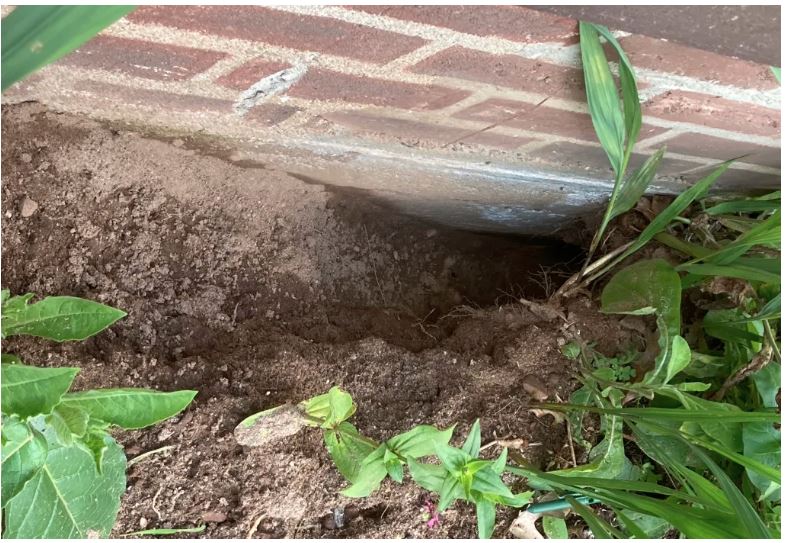  A woodchuck can excavate as much as 6,000 lbs of dirt when digging their complex system of burrows. To put this in perspective, that would fill six full size pickup beds! This not only makes a mess, but can undermine (no pun intended) the foundation of your home or building, leaving a large hollow void under the foundation. This can cause the foundation to shift and crack leading to expensive repairs. Predator Impact can easily and inexpensively live trap and relocate your problem woodchucks. They are relocated to our wildlife preserve in rural Nowata County where they can dig to their heart's content and not have to worry about damaging anyone's home. Call us at (918) 397-4091 for a free, no obligation consultation to discuss the solution to your whistle-pig problem!
0 Comments
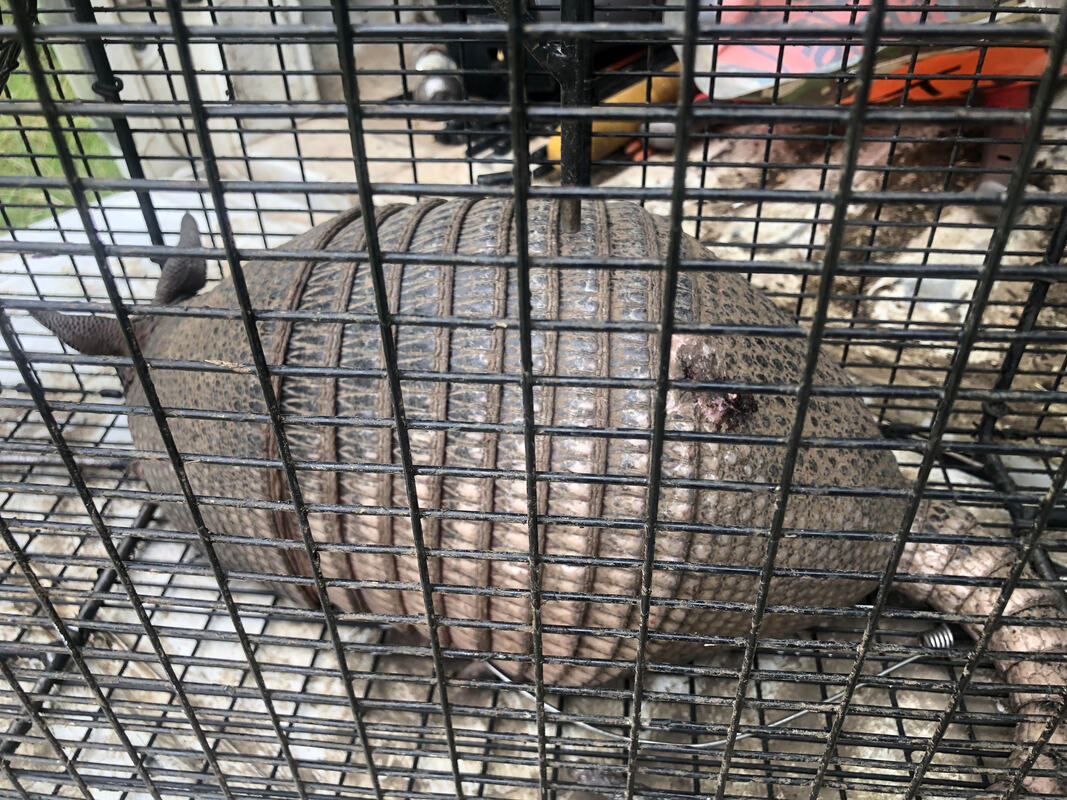 For the second time in about a week, we have trapped an armadillo that has a gunshot wound. It is armadillo breeding season and they are on the move. We recently trapped and relocated 12 armadillos from an affluent neighborhood near Tulsa. Of those 12, two had non fatal gunshot wounds. Armadillos are much hated by gardeners and landscapers. They dig for grubs, especially Japanese beetle grubs and in doing so will often destroy a manicured lawn or landscaping. Their burrows can do significant damage to a home's foundation. 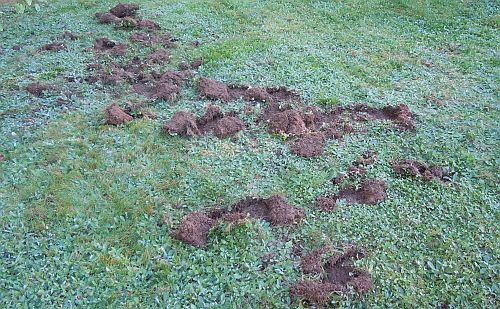 Unfortunately, too many people try to "handle" the armadillos themselves and wind up just injuring the animal. The "kill zone" on an armadillo is very small and the hard bony shell makes it difficult to get a precise shot placement. 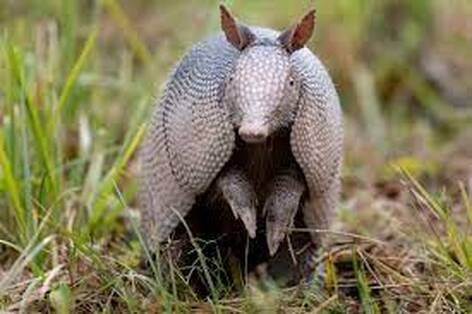 If you have a problem with armadillos, don't take it upon yourself to deal with them. Predator Impact can quickly and easily live trap them and relocated them unharmed to our huge wildlife preserve in rural Nowata County. Contact: Predator Impact, LLC Mark Runnels (918) 397-4091 Licensed and insure for your protection! 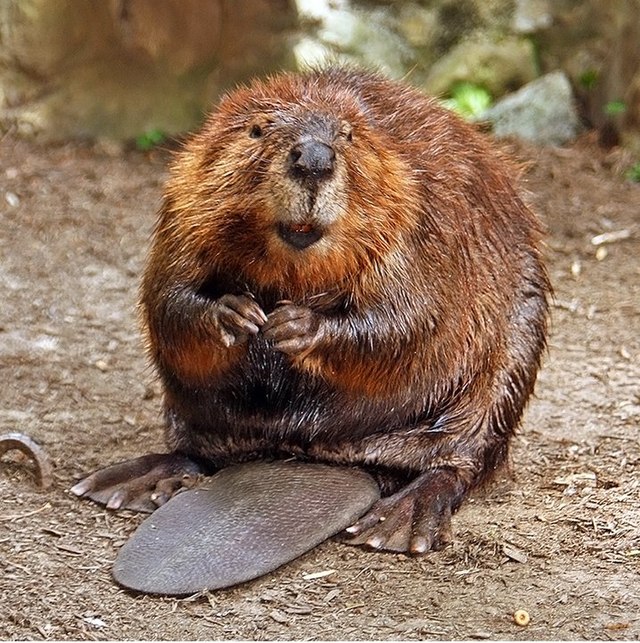 As a Mechanical Engineer myself, I have a special appreciation for beavers. No animal, other than man, modifies their environment as much as beavers do. Humans have long had a love/hate relationship with beavers. In the wild, the provide valuable services by keeping small trees trimmed, creating ponds that sustain wildlife through droughts, and provided valuable fur and tasty meat for early settlers. In close proximity to human populations, they can create serious problems. They dam up drainage waterways flooding farmland and neighborhoods. Their habit of cutting down large mature trees make them vey unpopular with homeowners, pecan farmers, etc.
Beavers need deep water to float sticks and branches to their food stockpiles, and to keep the entrance to their dens underwater. The create very ingenious dams from mud, sticks, cattails, etc. to dam up the water. They continue to build it higher and wider until the the water lever meets their needs. 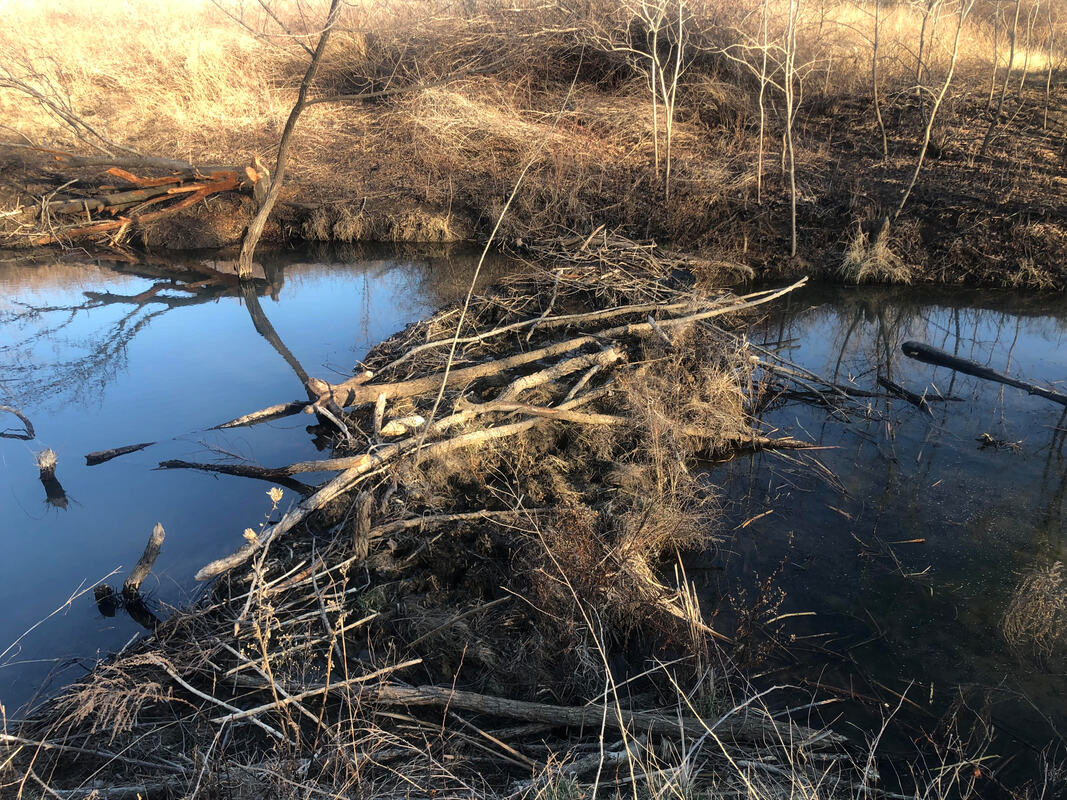 One dam in the Birch Mountains in Canada is half a mile long and creates a pond large enough to be seen from space! 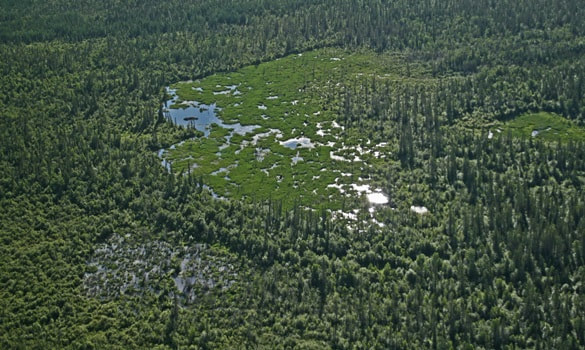 It is not known how long it has been there and is so remote, that it wasn't discovered until 2009 when scientists were studying satellite images. Closer to home, beavers dam up culverts intended to carry flood waters away from human habitation, and to manage runoff. 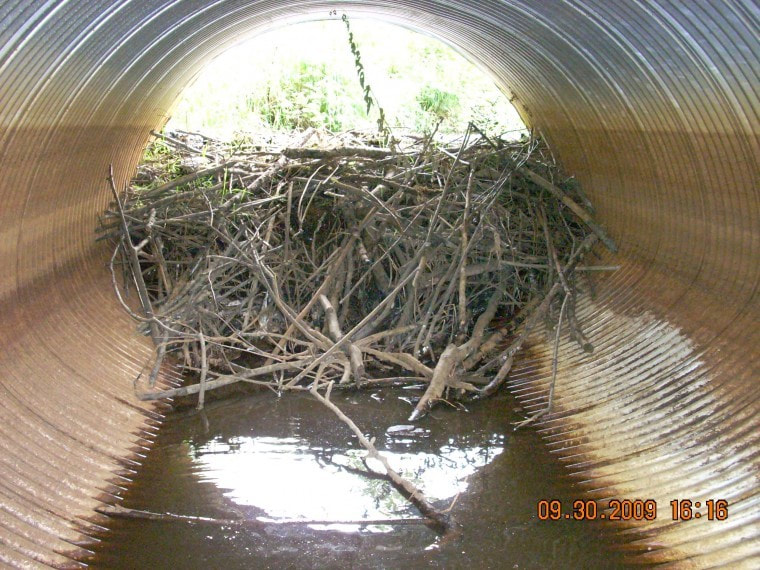 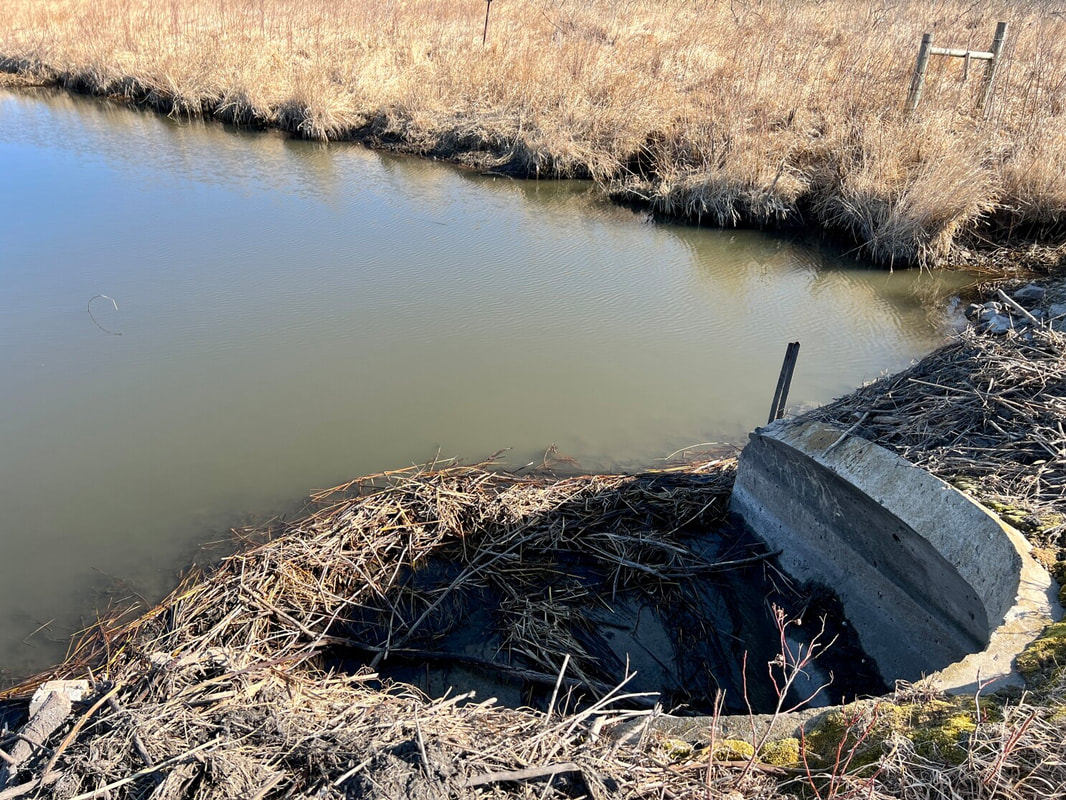 Unfortunately, this can lead to creeks and drainage ditches backing up into neighborhoods and farmland. 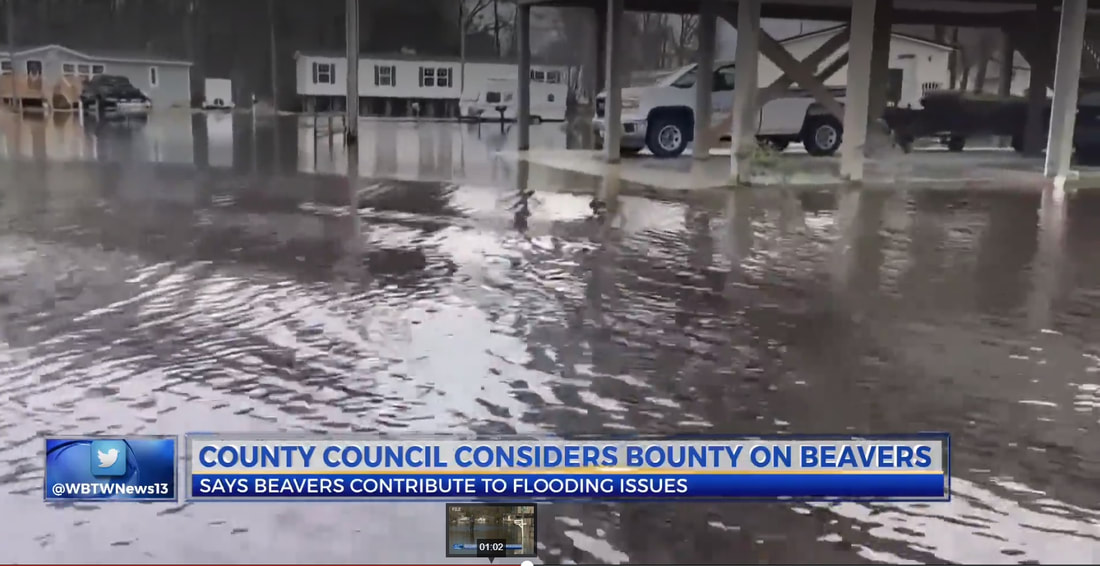 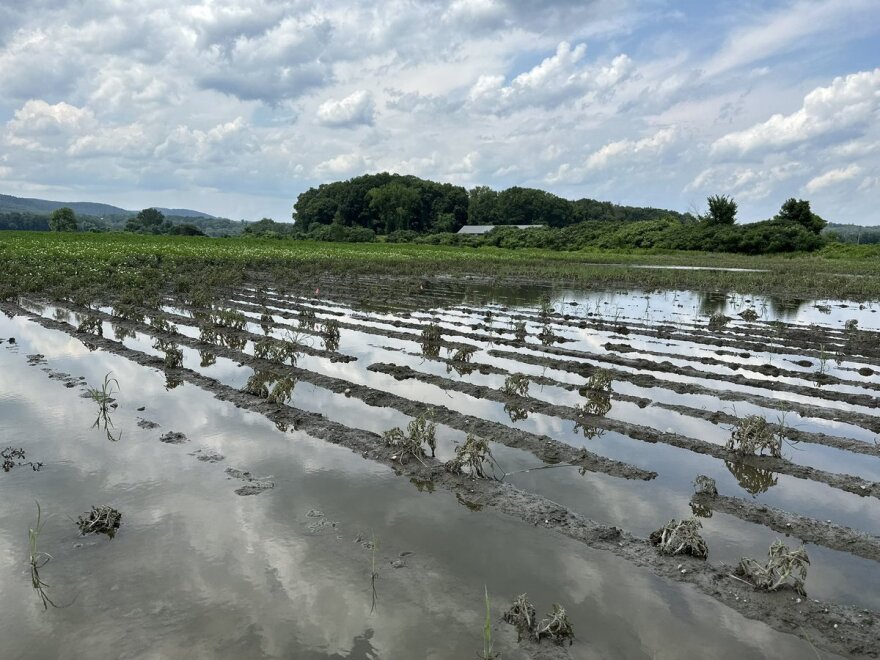 Proper management of beavers and beaver dams is necessary to prevent flooding. Tree damageBeavers are 100% vegetarian. They eat a lot of pond weeds and aquatic vegetation, but they are most recognized for eating twigs and trees. It is commonly believed that beavers feed on wood. That is technically incorrect. Beavers feed on the layer between the wood of the tree and the outer bark, termed the Cambium layer. 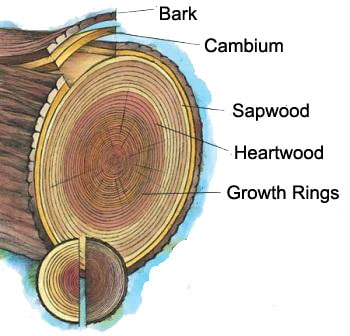 This is the live and growing part of the tree. It contains high levels of sugar and other nutrients necessary for the tree's growth. Some beavers, especially young ones, chew the cambium layer off of standing trees rather than cutting them down. 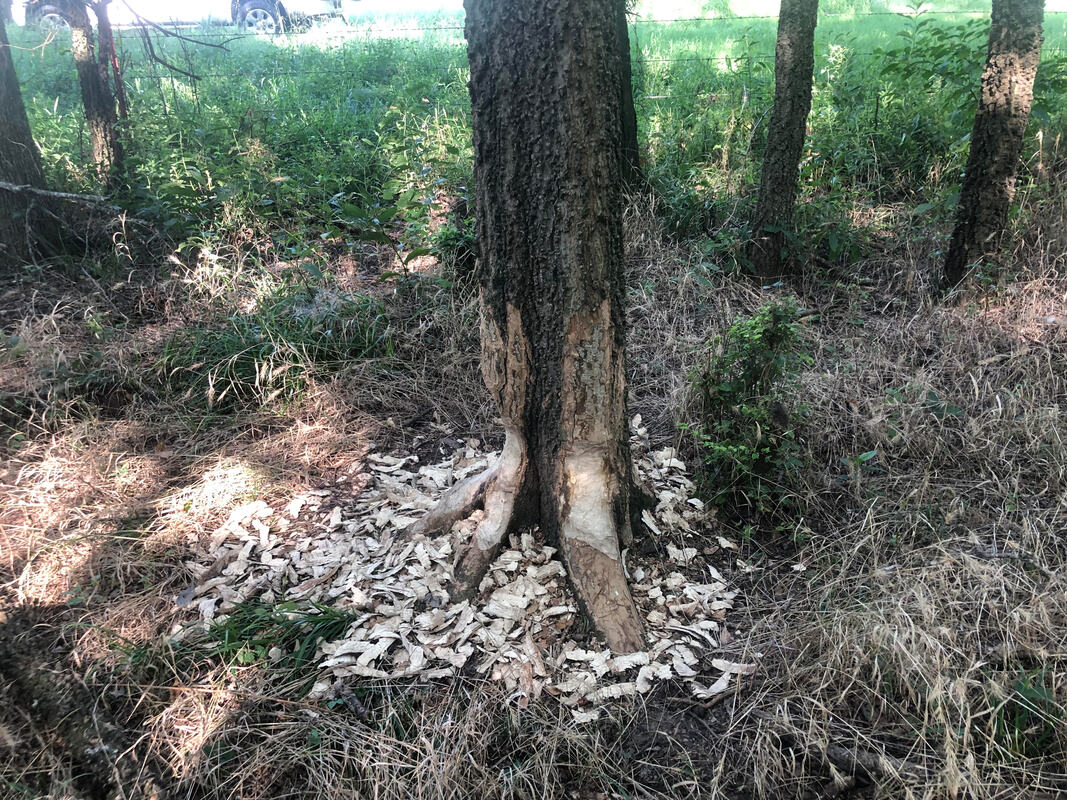  If they remove a complete ring of bark from around the tree, it will die standing. Other beavers, especially older ones, cut the entire tree down to get to the cambium layer of the branches. 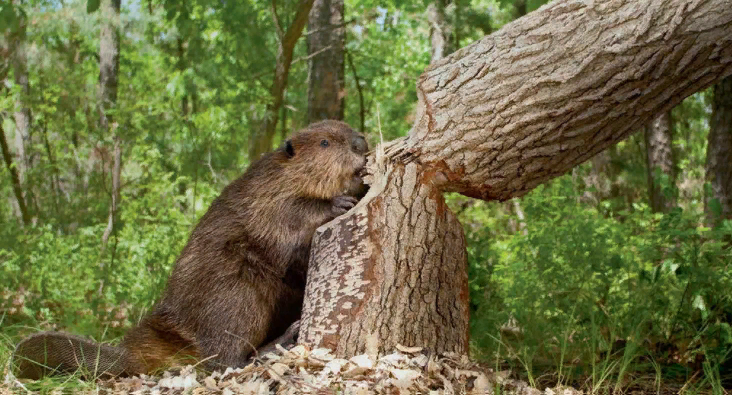  The beavers then cut the trunks and limbs into manageable pieces, eat what they can, and float the leftovers to their stockpile. Here the branches are shoved into the mud and kept fresh so that the beavers will have food accessible under the ice all winter.  Pecan orchards are particularly vulnerable. It can take a pecan tree up to 10 years to become productive, but a beaver can take even a large one down in a night or two. Signs that beavers are presentDuring the summer months, beavers don't leave much sign. They are primarily eating pond weeds and tubers, not trees, and spend very little time on land. We recently cleaned one local lake that had almost no sign around it. I saw one footprint and decided to set some traps. We wound up taking 10 beavers from that lake! In addition to the obvious tree chewing, there are a number of signs that beavers are present. For an animal that can weigh up to 70 lbs, beavers leave surprisingly light footprints.
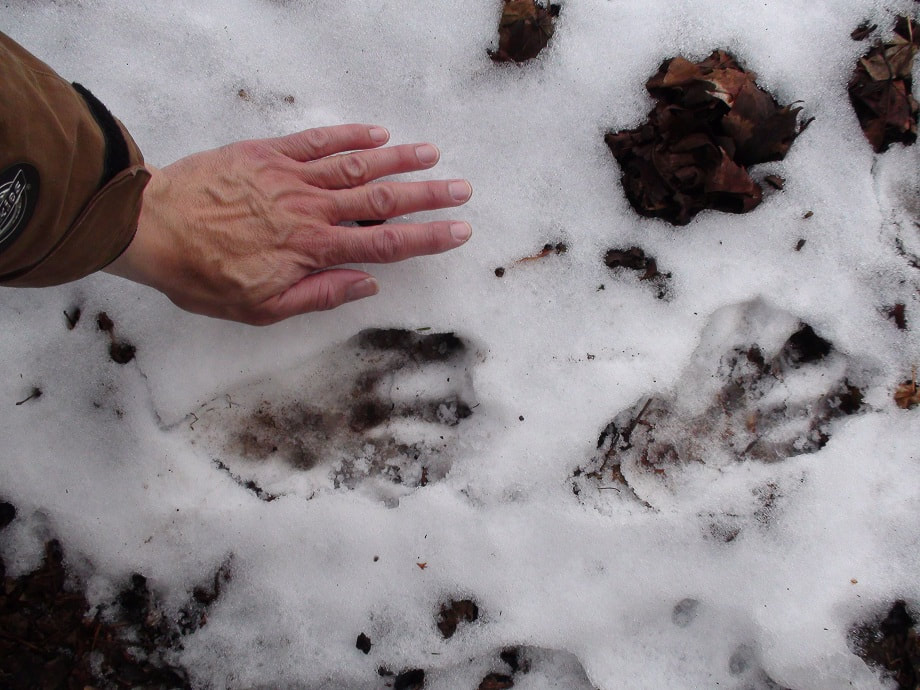
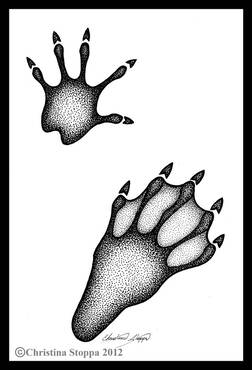
Their front feet can be difficult to distinguish from raccoon tracks and their back feet are enormous, often the size of a man's hand, and are webbed. This creates a "snowshoe" effect and there can be little to no depression in the mud. However, when they are present, they are easily identifiable and a clear indication that there are beavers present. Beavers are very territorial and mark their territory by piling up a mound of mud and vegetation on the bank at the water's edge and spraying it with a secretion from a gland under their tail. This musky smelling secretion can be smelled for quite some distance and warns other beavers to stay away. Often when I approach a pond, the smell of beaver castor is very strong and a positive indication that there are beavers living in the pond. The final indication that you may be hosting a colony of beavers, is the presence of slides. Beavers are creatures of habit and will enter and exit the water in a convenient place, often leaving a slick muddy slide into the water. 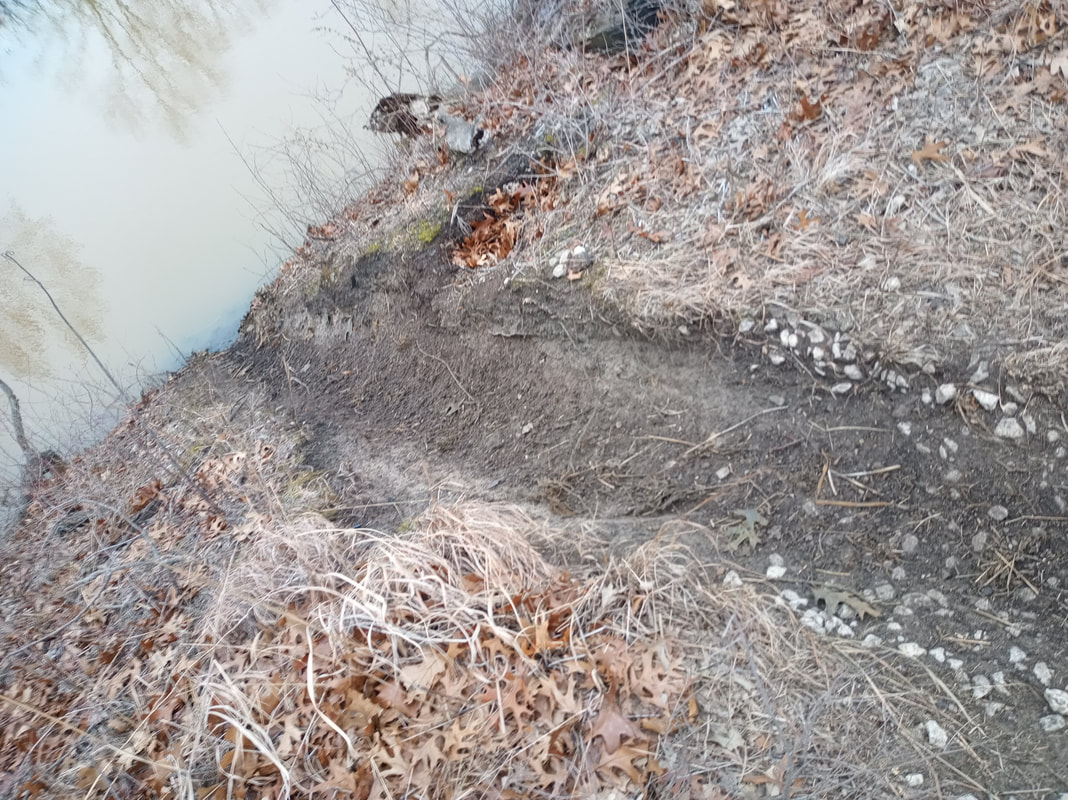 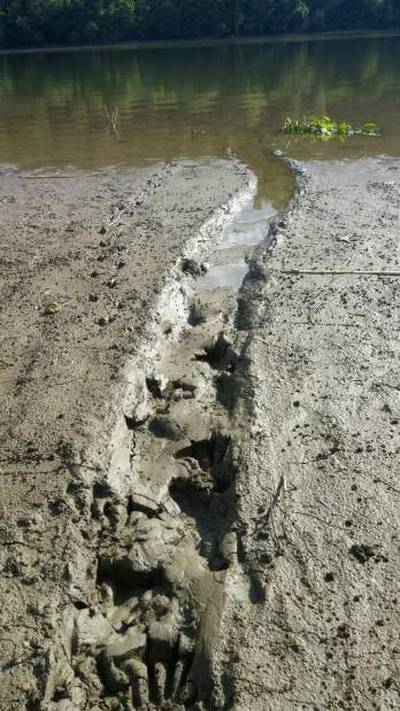 If you have a beaver problem, or if you are not sure if you have a beaver problem, contact Predator Impact at (918) 397-4091 and we will be happy to help you assess the problem, and to determine an appropriate solution.
I like skunks! They are pretty, low key, great mousers.... if it wasn't for that whole "stinky butt juice" thing, most people would like having them around.
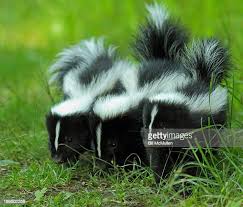
but that is a BIG " if " !
Fun facts about skunks:
https://www.smithsonianmag.com/smithsonian-institution/ask-smithsonian-what-makes-skunk-spray-smell-so-terrible-180955553/
https://www.scenichudson.org/viewfinder/wildlifelove-eight-ways-skunks-might-surprise-you/#:~:text=Some%20perfume%20manufacturers%20rely%20on,and%20expensive)%20scent%20last%20longer.
washing off skunk sprayPredator Impact's first skunk call was about 5 years ago. For five years I was proud to brag that, even though we had trapped and relocated hundreds of skunks, I had never been sprayed.... until last week! It was a very routine skunk call. We caught the skunk and drove to the release site, but then I got lazy. Normally, I place the trap on the ground, open the door, and get back in the truck. The skunks are usually asleep and it takes them a while to wake up, leave the trap, and waddle into the woods. This day I opened the trap before placing it on the ground. The skunk was wide awake and, at some point, bolted out of the trap! When I looked down, the little &%#$@ was spraying my pant leg! Once I was thoroughly sprayed, he ran off into the woods. On the drive home, all three dogs were crushed up against the passenger's side door trying to get away from me! The one good thing to come out of this was that I was able to test out a remedy that the birddog guys have told me about for years, but I have never had the chance to try. 
According to some friends who are avid bird hunters, their dogs can be sprayed by a skunk, they will bathe them in CloSYS mouthwash and the dog will sleep in their bed that night.
CloSYS is available at any Walmart or pharmacy. This makes sense chemically. Both bad breath and skunk spray involve sulfer based compounds. It is logical that something that kills bad breath would neutralize skunk spray odor. One note: Do not get your dog (or yourself) wet first. The CloSYS works best if applied dry and then washed off later. I am really pleased to report that I applied the CloSYS, then took a shower. The smell was almost gone after the first application, and a second application to my leg in the area that took the direct hit cleaned it right up. I got dressed and saw customers the rest of the day and no one noticed a thing. There are lots of baking soda/peroxide/soap formulas on the internet, and several different premade formulas available, but I have never had as good a result as I had with the CloSYS. Predator Impact used to advertise that we trap and relocate skunks without them spraying 99.99% of the time. I guess now we have to advertise 99.98% of the time! Call Predator Impact to handle all your skunk related issues. We use special traps and successfully relocate the skunks without spraying 99.98% of the time! Predator Impact (918) 397-4091 One of my passions is helping to reduce people's stress level over snakes through education. You don't have to know every single species of snake, you only need to be able to ID the venomous ones. There is an old story about the captain of a ship entering an unfamiliar harbor that is well known for it hidden, shifting, and treacherous sandbars. He radios the Harbormaster and asks him to send out a pilot to guide them in safely. Soon a small boat pulls up and a 16 year old boy comes aboard. The Captain is dubious and asks the boy "Son, do you really know where all the sand bars are?" The boy responded "No sir, but I know where they ain't!" Snakes in Oklahoma are a lot like that. You don't need to know them all, but make sure you can identify the venomous ones. Oklahoma is blessed with 46 species of snakes. If those, only seven (15%) are potentially harmful to humans. If you lump the Western Diamondback, Timber Rattler, Prairie Rattler and the Massasauga together (the differences are purely academic) there are only four snakes you need to learn to identify. #1 Rattlesnakes The Diamondback, Timber, Prairie. and Massasauga rattlesnakes are very similar. The can get quite large, have a distinct rattle at the end of their tail, and a bite you want to stay clear of. Western Diamondback (AKA Coontail) 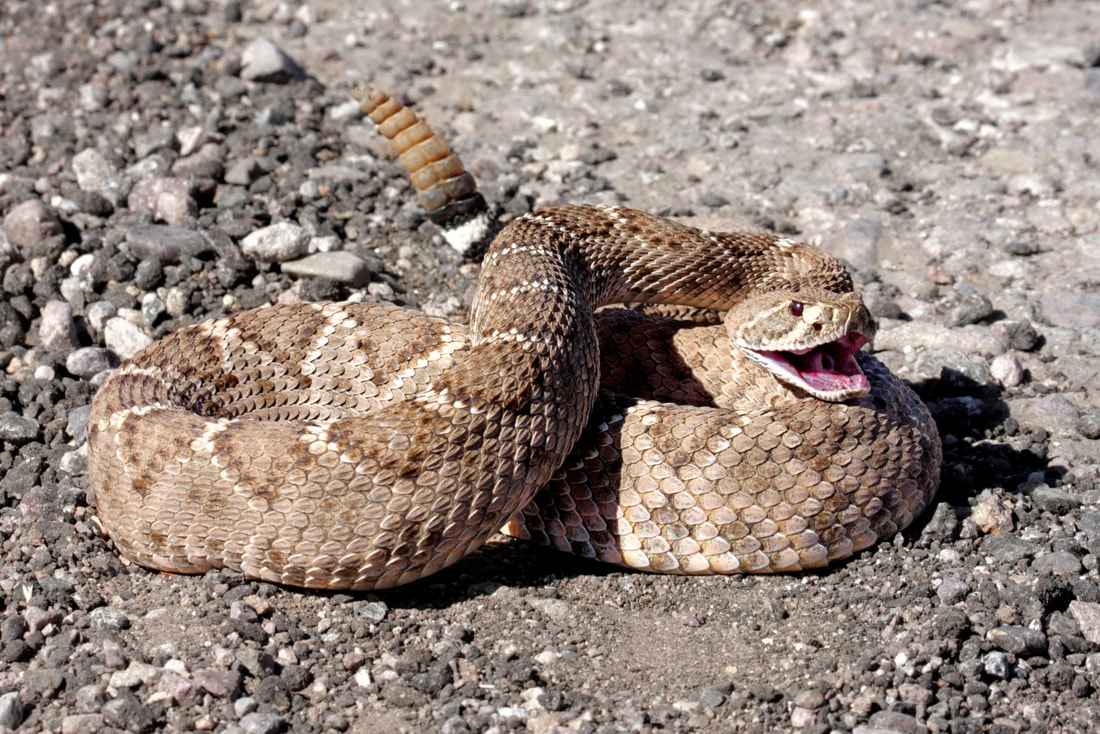 Timber Rattlesnake (AKA Canebrake or Velvet tail) 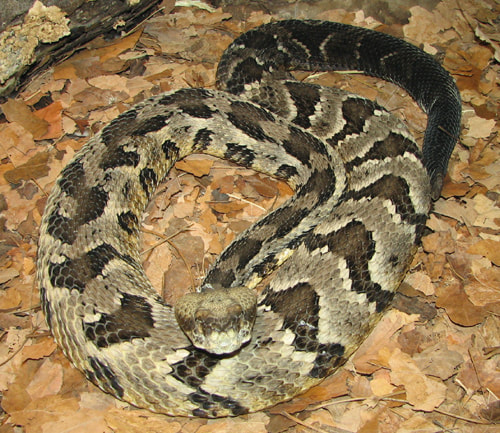 Massasauga Rattlesnake 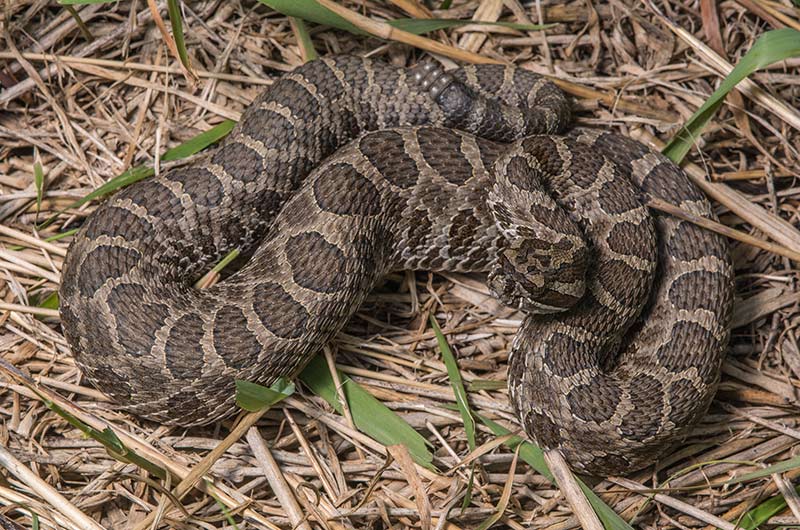 Prairie Rattlesnake 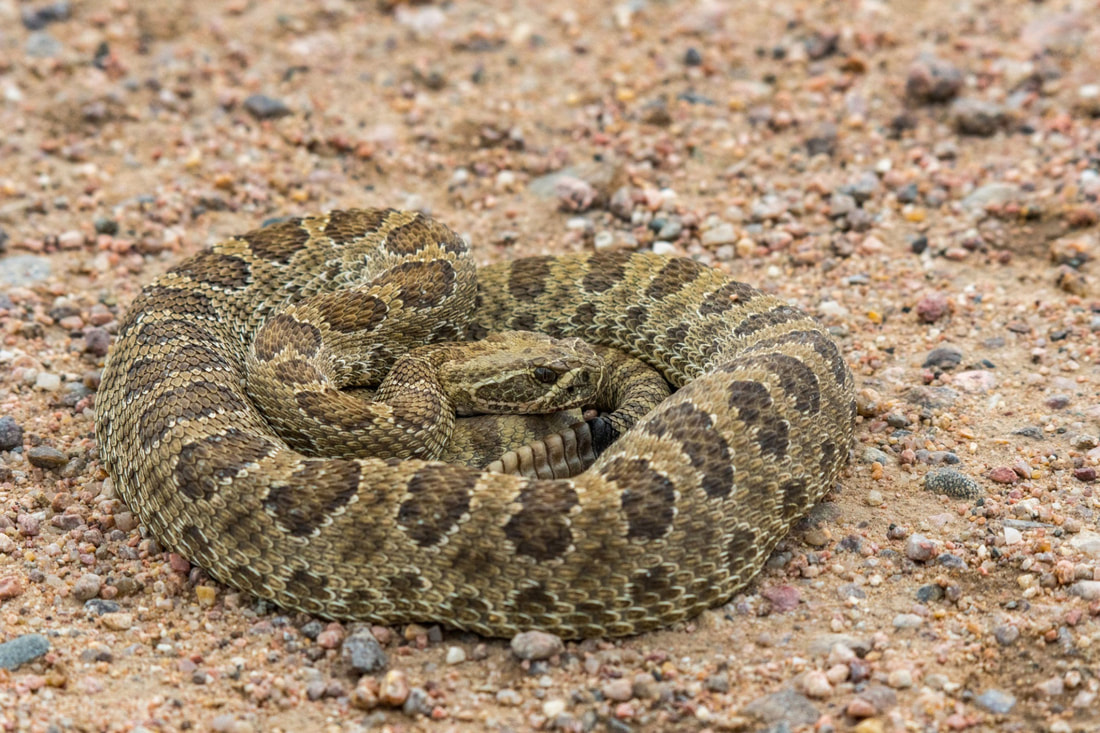 Again, the difference between these four are not of great importance to most people. If it has a rattle, give it a little extra room and you'll be fine. Please note: It may be possible that the rattlesnake' rattle has broken off. If in doubt, take the path of caution and leave it be! #2 Western Pigmy Rattlesnale I have separated the Pigmy Rattlesnake from the others as is a little less obvious. As the name implies, it is a very small snake (less than 20"). It is brightly colored and has a tiny rattle that isn't always easy to see, and is almost never heard. 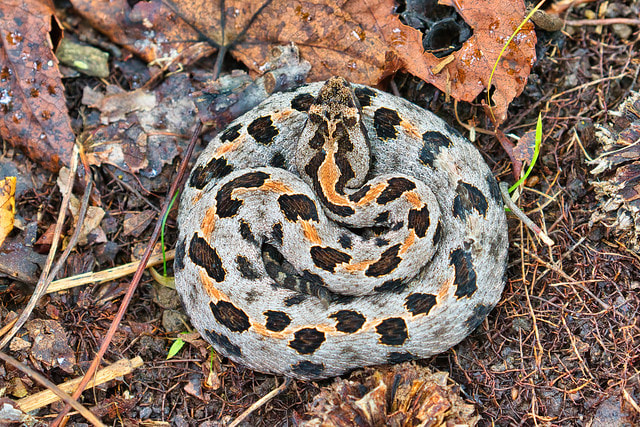 Once you learn to recognize the alternating brown and peach colored spots that run down its back, they are easy to identify. #3 Copperhead The copperhead is a beautifully marked snake. Their color starts out the bright copper color of a shiny penny and darkens with age, The markings on the side are often described as "Hershey's Kisses" due to their shape. The copperhead's venom is much milder than the other snakes listed here, but you still want to avoid them whenever possible. 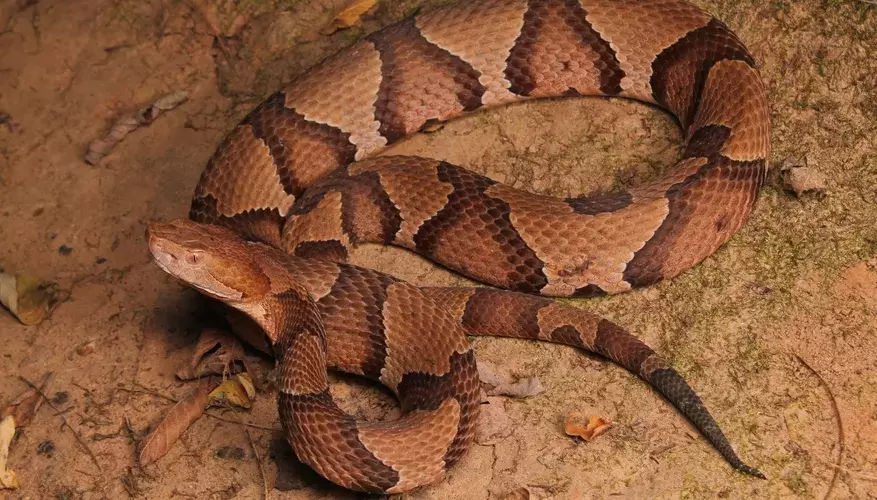 There is also a Broadbanded Copperhead that is marked a little differently. 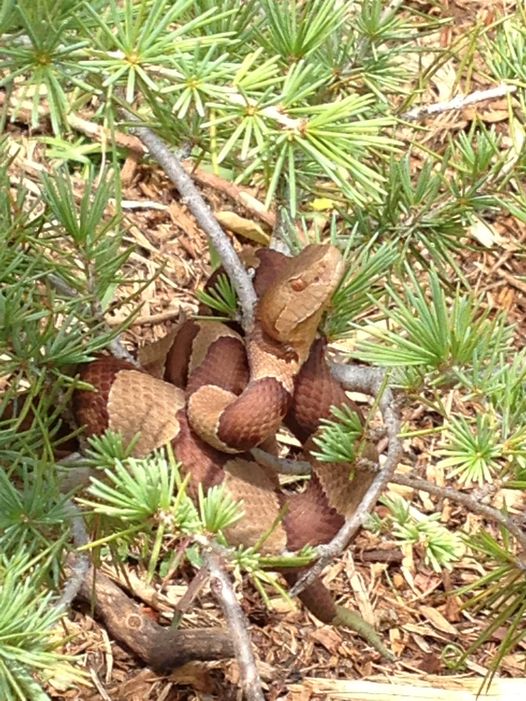 #4 Cottonmouth (AKA Water Moccasin) The Cottonmouth is perhaps the most misidentified snake in Oklahoma. I have followed up on dozens of reports of "sure 'nuf " Cottonmouths, but only one time was the snake properly identified. Most of the time, it is just one of the harmless watersnakes, and usually needlessly dead. The Cottonmouth can be marked similar to the Copperhead. Like the Copperhead, they also darken with age. The main difference is the band across the eyes. They are often described as looking like they are wearing sunglasses. 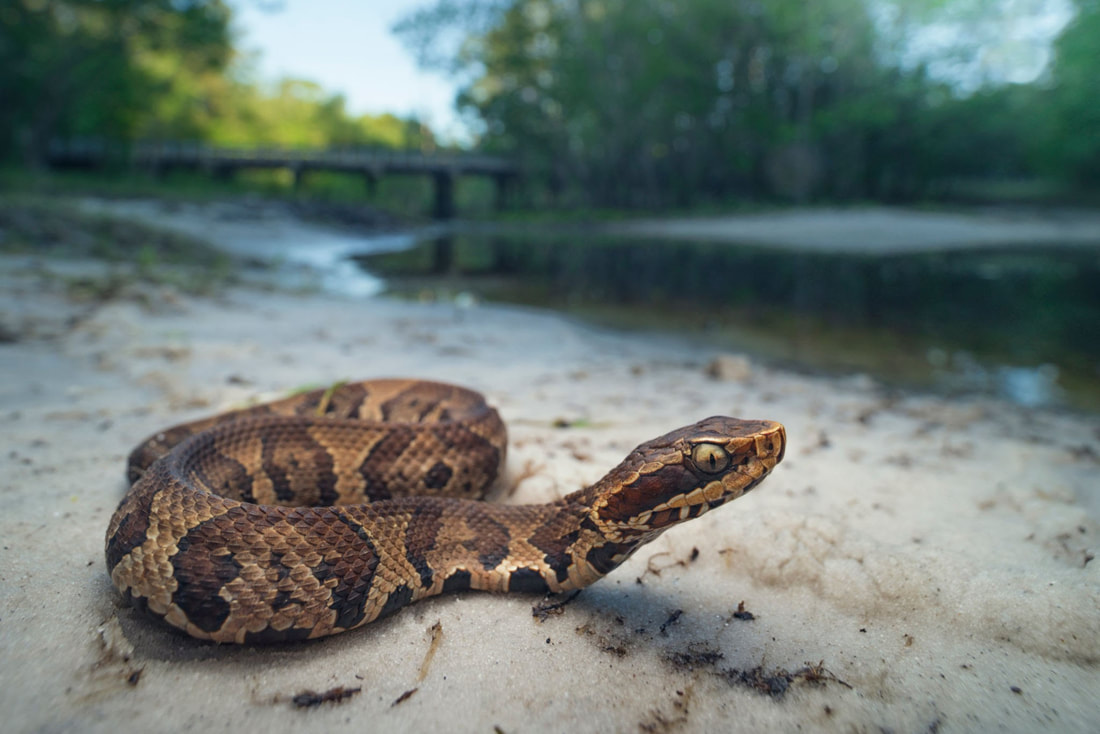 The Cottonmouth has a very distinct defensive posture. When they feel threatened, they are the only snake I am aware of that takes this pose. 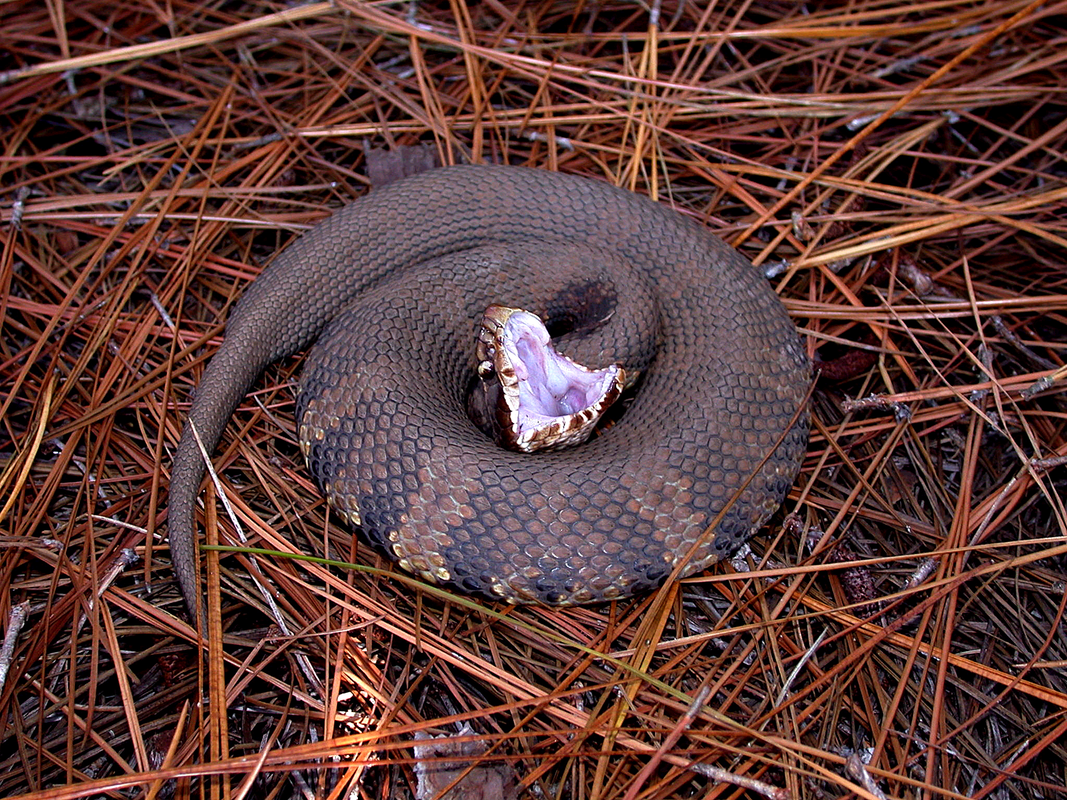 In this picture, you can see the distinctive white mouth that gives them their name. Note also the thick body and the sharply tapered tail.
A common myth is that Cottonmouths chase people. They do not. No snake does. All snakes would rather run than fight and will only bite as a last resort. When frightened, the snake wants to go to someplace where it feels secure, its "Happy Place", if you will. Sometimes that place is on the other side of you and the snake may run at you to get by you. This can give the misconception that the snake is chasing you. Another myth is that they lay in trees over water and jump into boats. Cottonmouths are poor climbers and spend most of their life at ground (or water) level. The Western, or Black, Ratsnake is often mistaken for a Cottonmouth and they are great climbers. They do hang out in trees and can occasionally lose their grip and fall. There are two "Rules of Thumb" for identifying venomous snakes. Both are wrong and could be potentially dangerous.
Summary Once you realize that the vast majority of snakes you encounter on a daily basis are harmless, and even the venomous ones want to run, not bite, it is easier to be less concerned about encountering a snake in the wild. Leave the snake alone and they will leave you alone. The vast majority of snake bites involve alcohol and the phrase "Hey Ya'll! Watch this!" You don't need to be able to identify all 46 species of snakes in Oklahoma. Just focus on the four groups above and the rest will not be a problem. If you are interested in learning more about snakes in Oklahoma, consider joining the Oklahoma Snake Identification Network on Facebook, https://www.facebook.com/groups/oklahomasnakeidnetwork/ They are very knowledgeable and have a lot of resources to help you learn to identify Oklahoma's snakes. If you have a picture of a snake you are not certain about, text it to me at (918) 397-4091 and I will help you ID it. If you have a snake, either venomous or non-venomous, that is in your home or anywhere else it shouldn't be, contact Predator Impact and we will relocate it to a new home. Predator Impact (918) 397-4091 Today is my first blog post ever. After 62 years, an amazing wife, four kids, an engineering career and a wildlife management career I finally am making my first blog post! Pretty cool day!
It is the last day of August (where has August gone??) and Predator Impact has been super busy. The past week we have managed:
There has been an unusual number of calls for 9 band armadillos. It is their breeding season, and they are more active than usual. Armadillos are one of my favorite animals. A couple of cool facts about armadillos
All for now Mark |
AuthorMark Runnels is a professional engineer and owner of Predator Impact, LLC. Archives
May 2024
Categories |
 RSS Feed